Android Pulse App Explained: What Is It & Is It Safe?
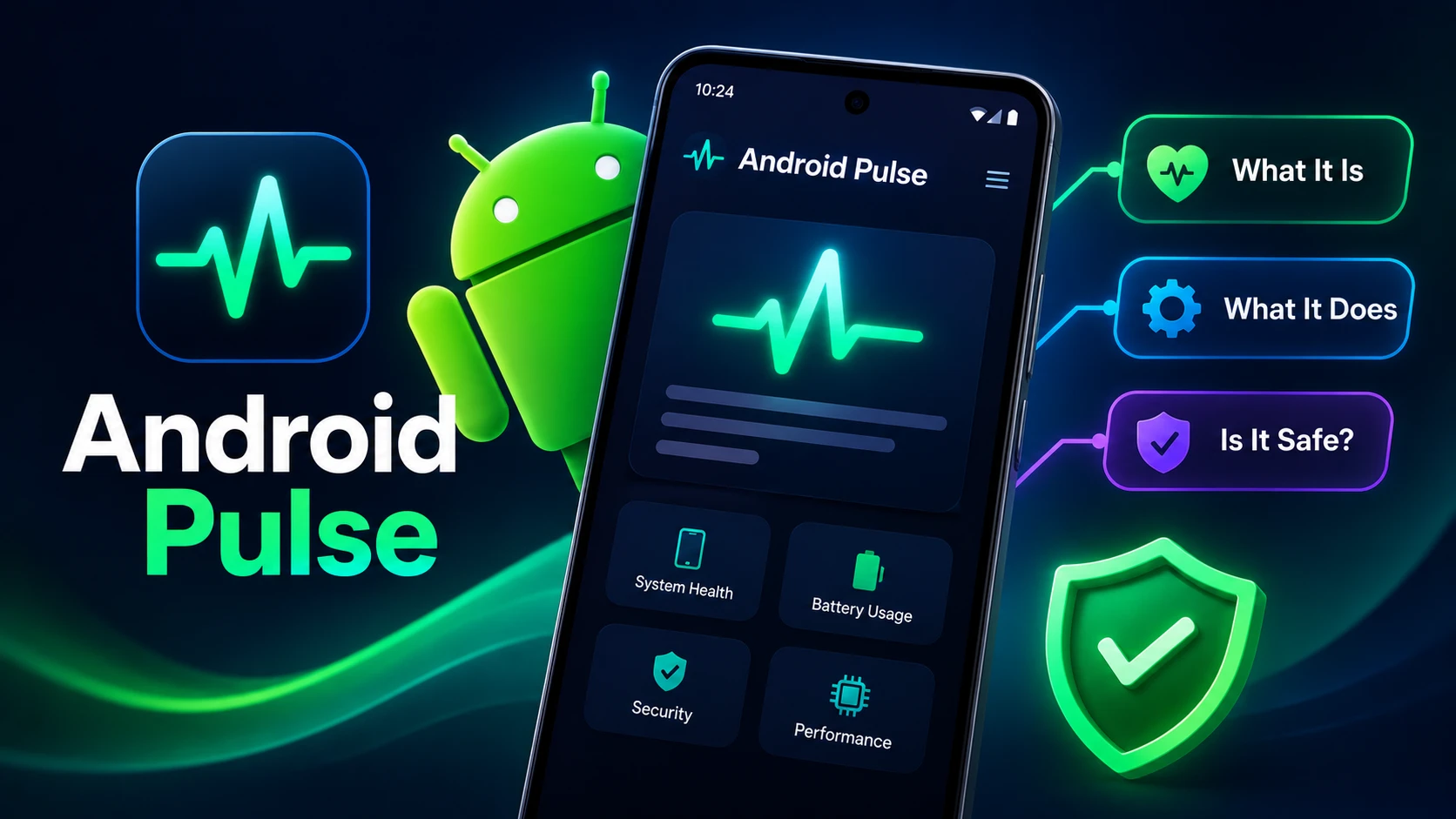
Android Pulse recently appeared in Google Play updates, leaving many users wondering what it is. Learn what the app does, why it appeared, who made it, and whether it is safe to keep.
Your go-to source for insightful articles on modern tech ecosystems, intelligent automation, and the tools shaping the next digital era.
Articles
Authors
Topics

Android Pulse recently appeared in Google Play updates, leaving many users wondering what it is. Learn what the app does, why it appeared, who made it, and whether it is safe to keep.

How does Together AI make money? This guide breaks down Together AI's revenue model, AI infrastructure business, funding, valuation, GPU cloud, inference services, and competitive position in 2026.

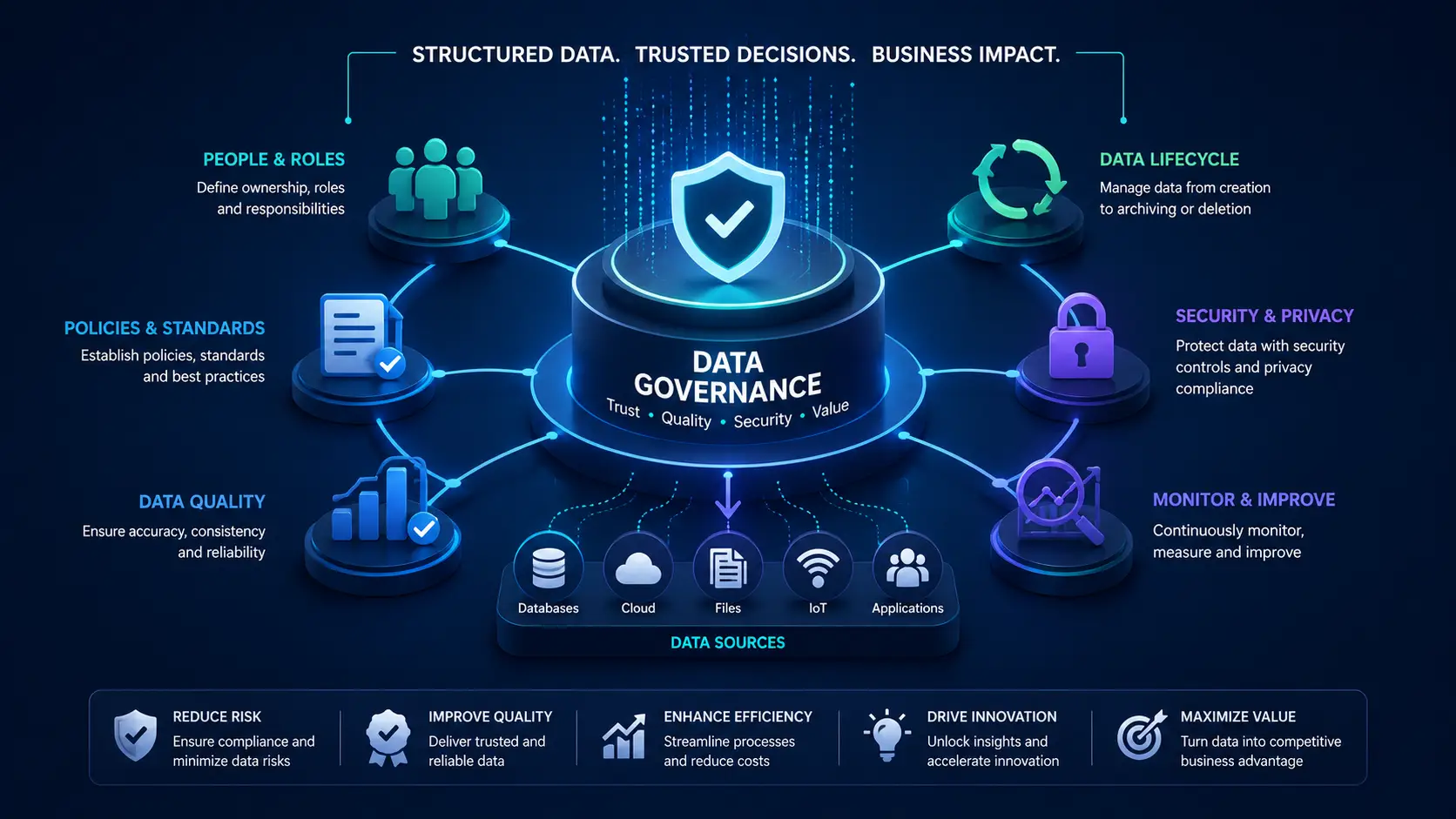
Building a successful data governance program requires more than policies. This practical guide explains how to create an effective data governance framework, define roles and responsibilities, choose the right tools, measure success, and establish governance that scales with your organization.

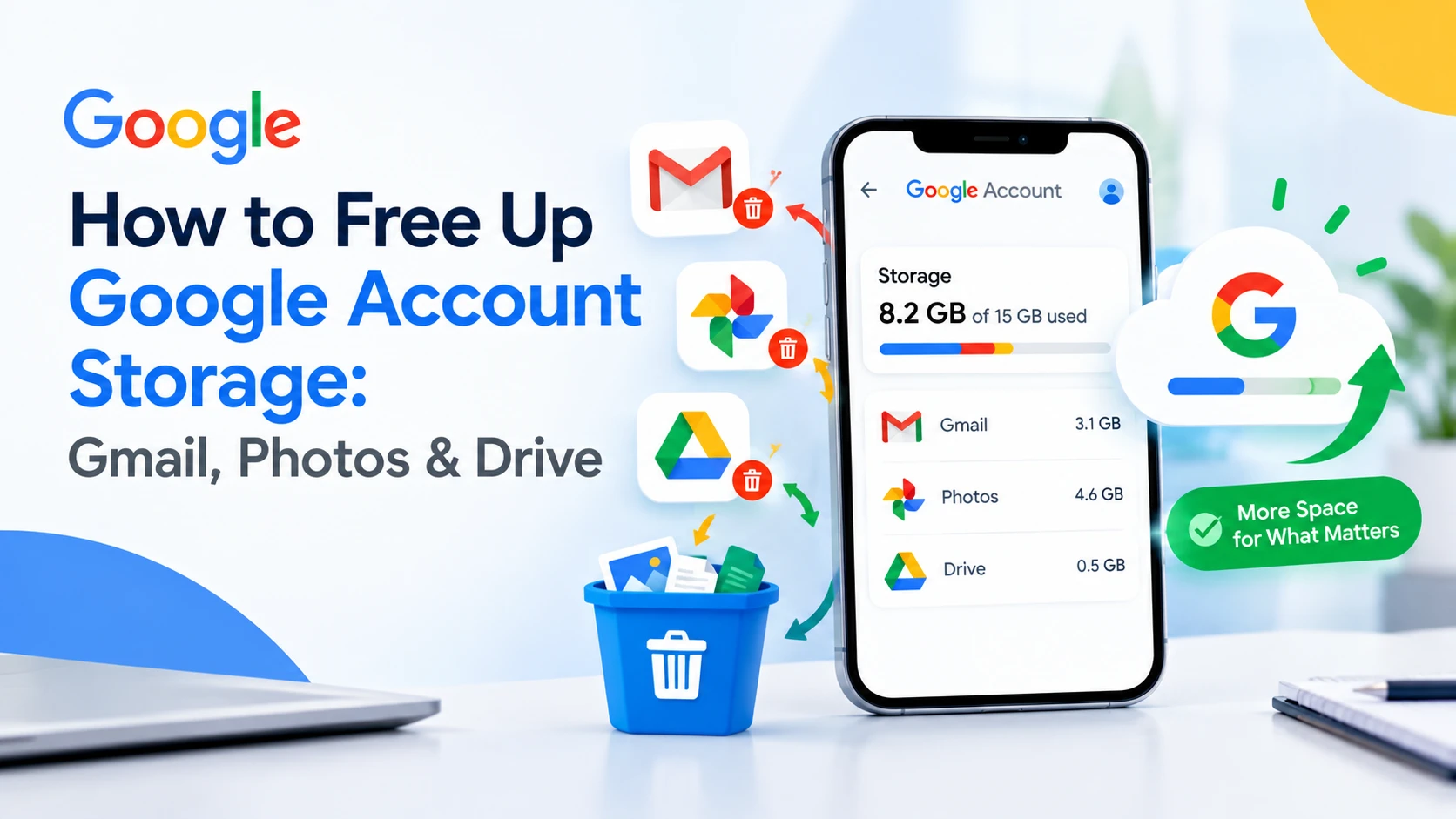
Google storage full? Learn how to free up Google account storage by cleaning Gmail, Google Photos and Google Drive, plus what to do if you still need more space.

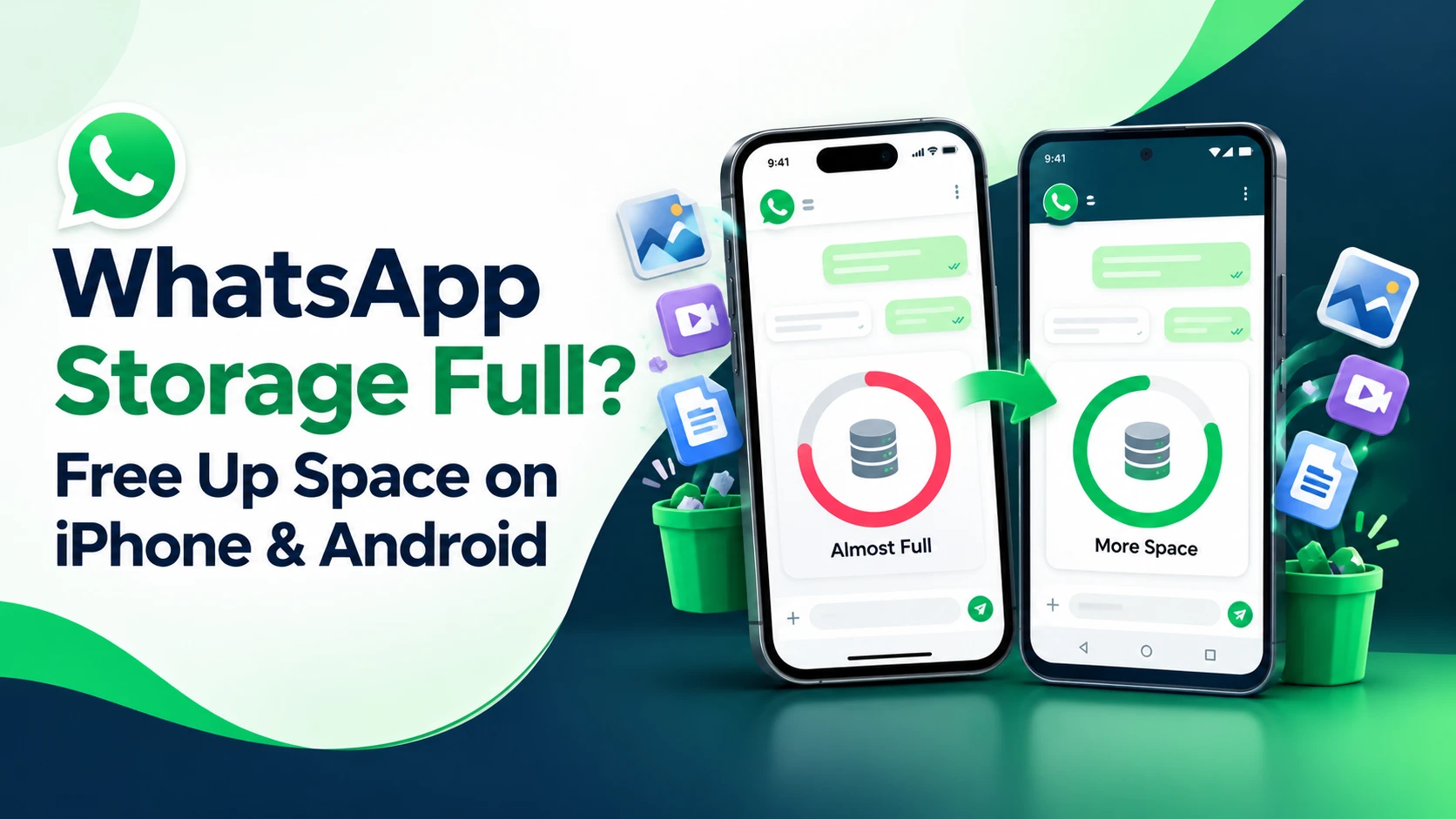
WhatsApp storage full? Learn how to find and delete large photos, videos and files, free up space on Android and iPhone without losing chats, and stop it filling up again.

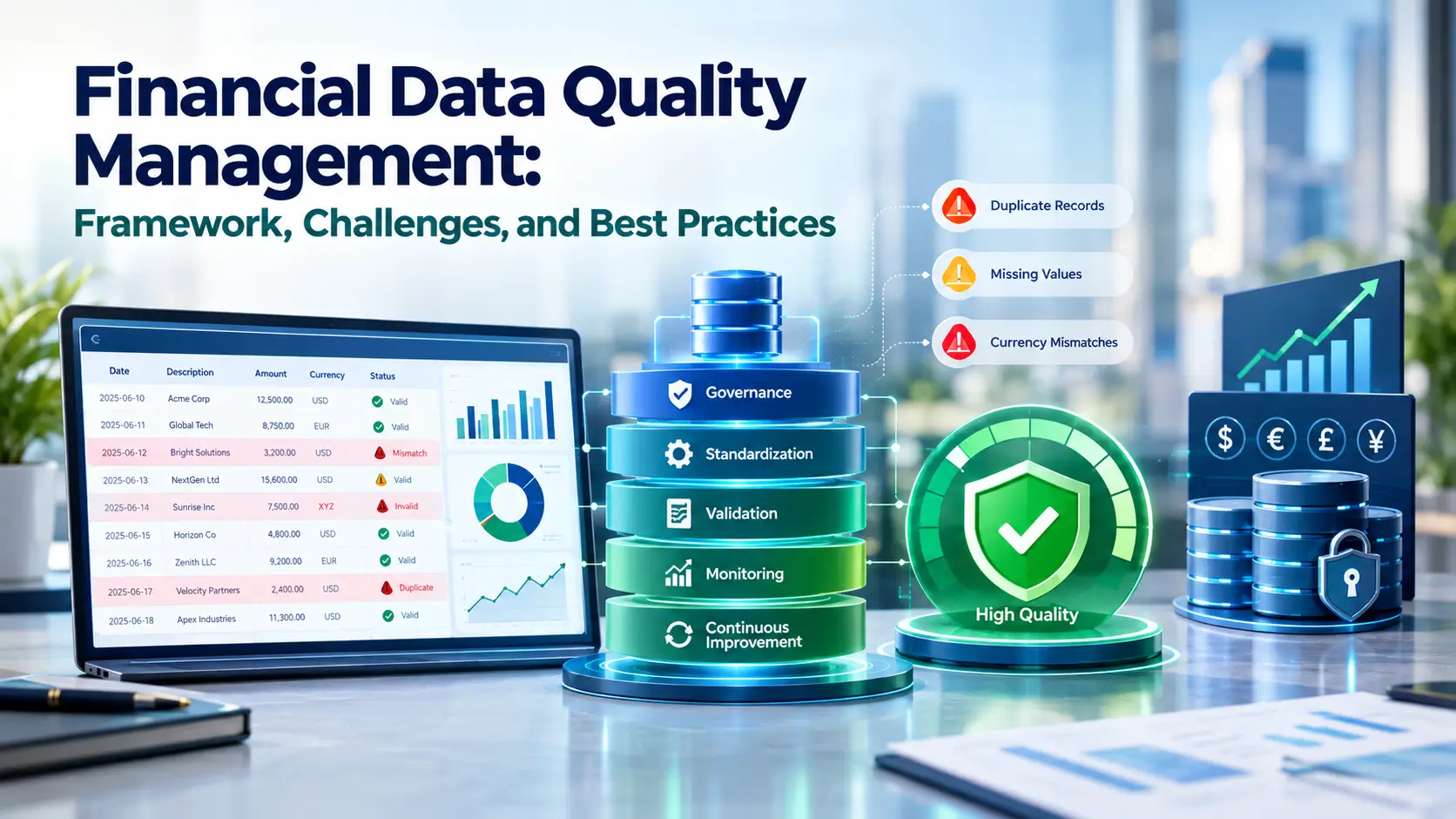
Financial data quality management keeps reports, risk models and decisions trustworthy. Learn the dimensions, rules, metrics, framework, governance links, tools and AI methods that make it work.

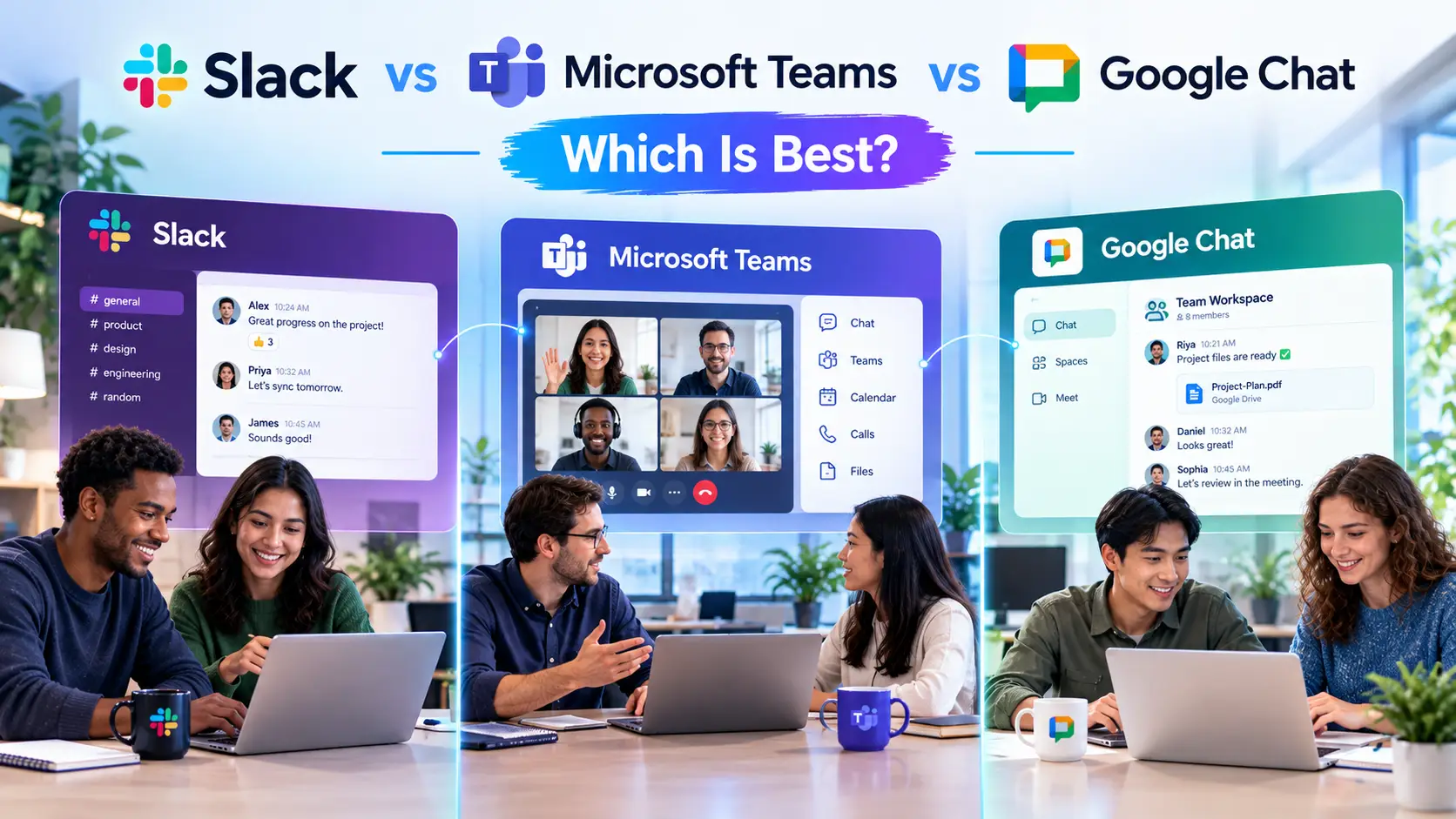
Slack vs Microsoft Teams vs Google Chat compared on features, pricing, integrations, external collaboration, security and AI, with a clear guide to which team chat app fits your business.

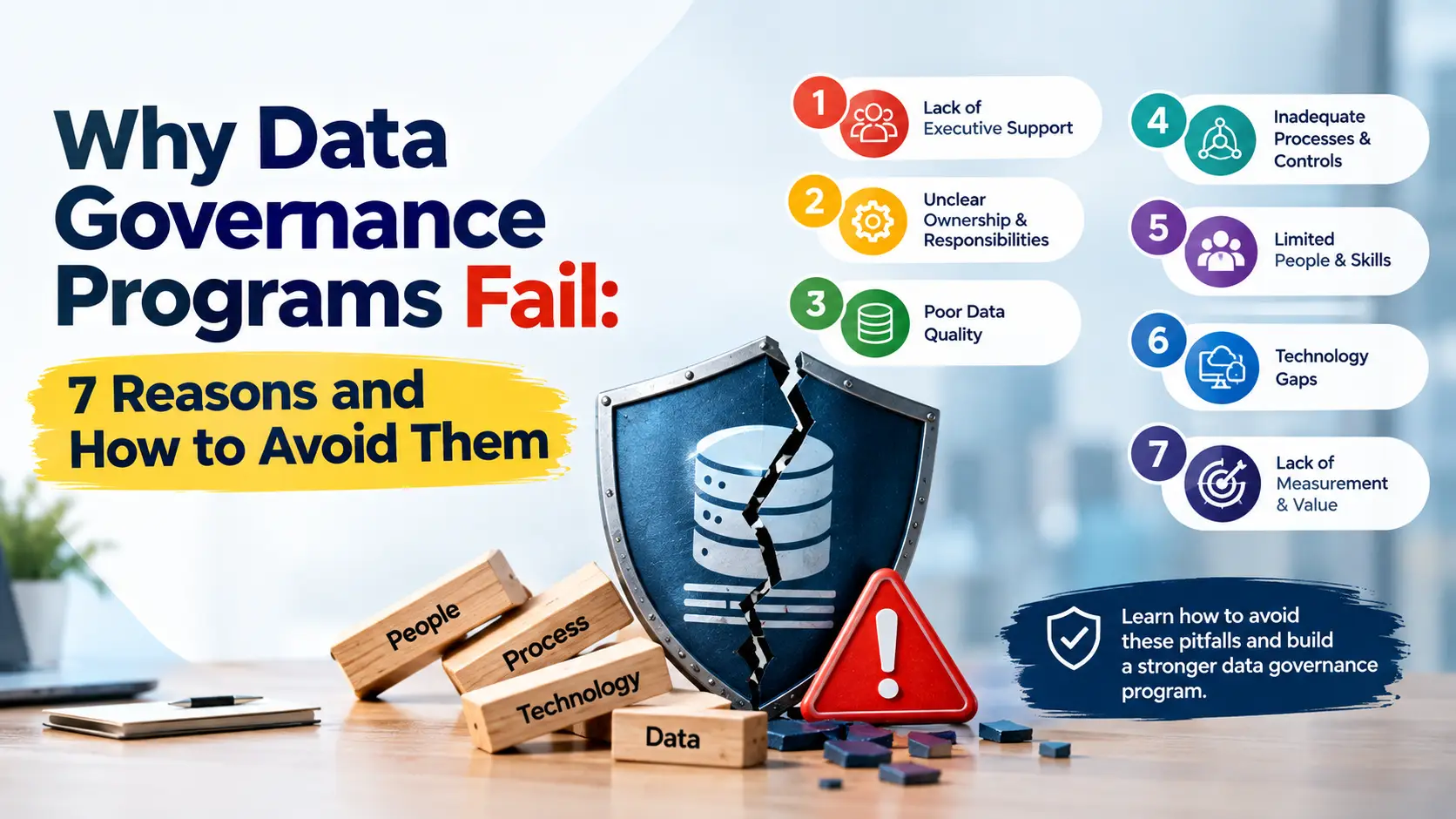
Why data governance programs fail: seven common causes, from missing sponsors and unclear ownership to unmeasured data quality, with practical fixes, warning signs and a 90-day restart plan.

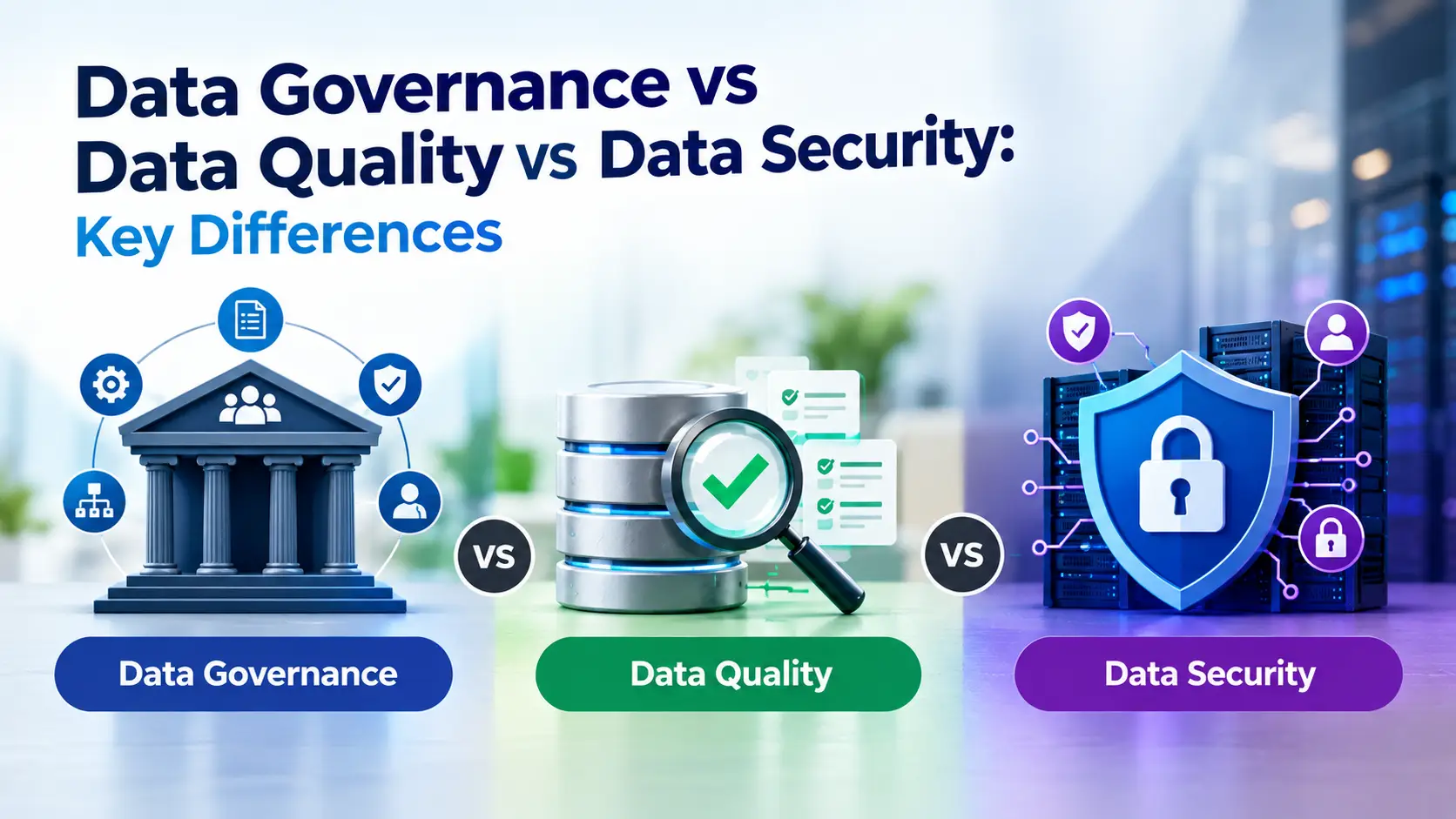
Data governance vs data quality vs data security: what each one means, how they differ, where they overlap, who owns them and which to start with, using definitions from IBM, NIST and Microsoft.